23 January 2026
Offering fast turnaround and keenly priced delivery has helped regional retailer McPhails supercharge its sales of imported furniture.

23 January 2026
An advanced design and durable construction give Hobart’s Sentinel Boats a critical advantage in a demanding market – here and overseas.
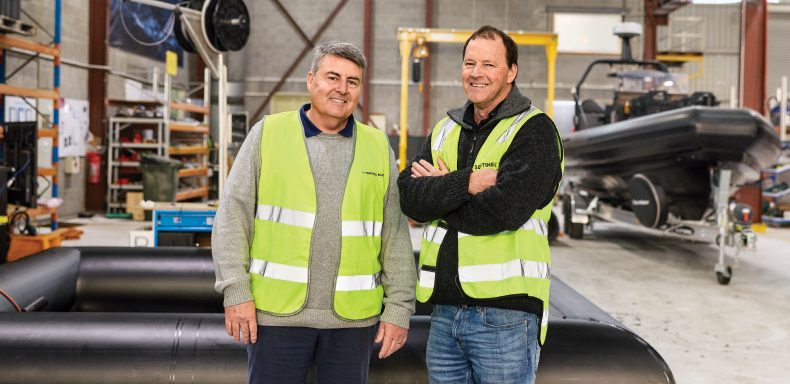
At an unassuming factory in a riverside industrial estate in Hobart, a quiet revolution in commercial boat construction has been taking place.
Sentinel Boats differentiates itself from its competitors with a fleet of small, purpose-driven vessels that use a durable composite material, high-density polyethylene (HDPE), in their innovative hull design. Sentinel CEO George McGuire says the material has proven significantly more robust than aluminium, fibreglass or carbon-fibre hulls.
“Our first boats built from HDPE back in 1995 are still in commercial use today. An equivalent boat made of aluminium that is used in the same manner in the same high energy environment is only lasting eight to nine years, maximum. So, they’ll replace that boat three or four times in the same time that our boat is still going.”
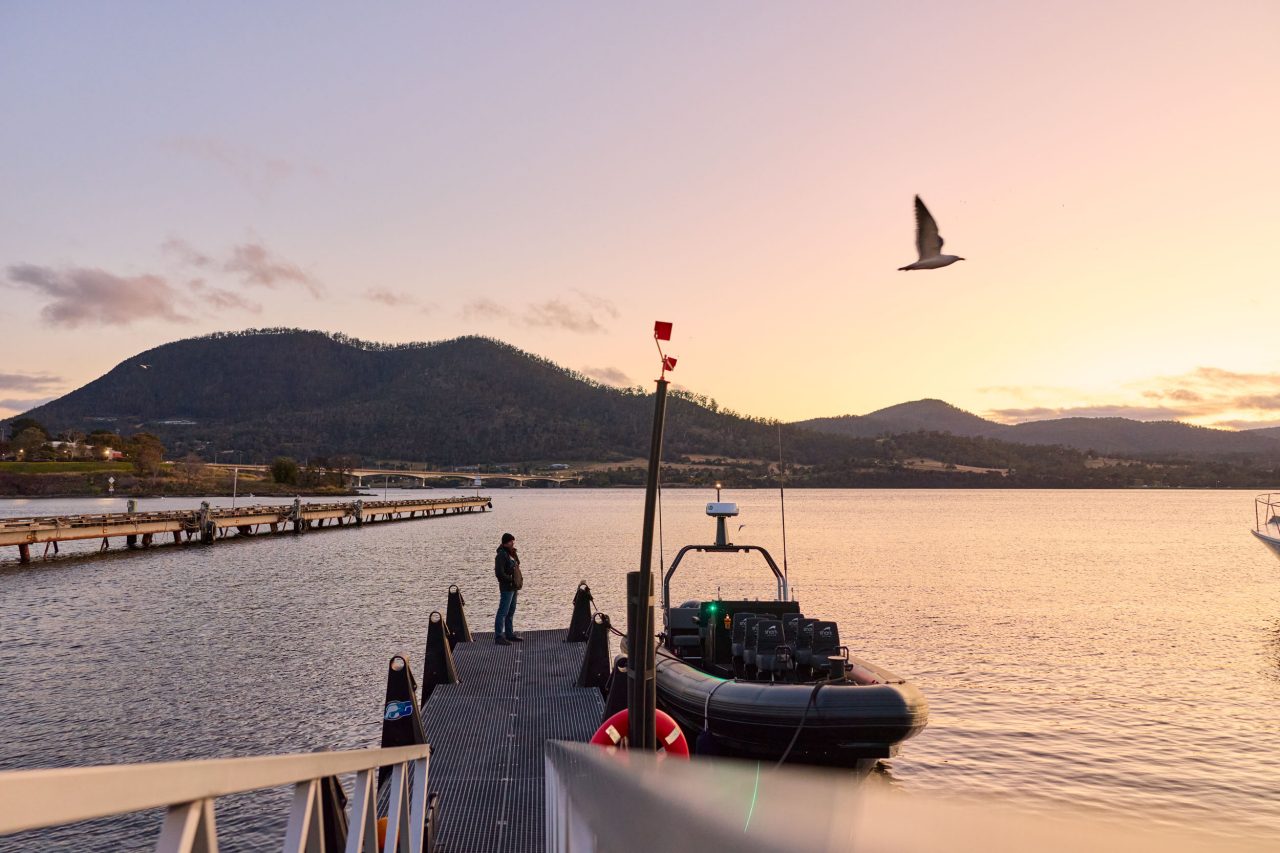
Winning buyers here and overseas
Sentinel craft are used around Australia’s coastlines and waterways for policing, defence, marine rescue, and fire and emergency service operations. They’re also popular among commercial operators in industries such as aquaculture, oil exploration and tourism.
More recently, they’ve been making waves overseas: the Australian Defence Force purchased a fleet of Sentinel vessels to gift to the Ukrainian Government, as part of Australia’s support for Ukraine’s war effort. “The fact that the ADF has the confidence in us to buy boats to gift to Ukraine tells you we're doing something right,” McGuire says.
Sentinel has also beaten off competition from around the world to win two key Royal New Zealand Navy contracts – one to replace the navy’s entire fleet of small sea boats – with New Zealand’s Ministry of Defence naming Sentinel Boats its Prime Contractor of the Year in 2023.
As a result, Sentinel has received substantial international interest in its products – interest the business is very keen to explore, but in a strategic manner. George talks of pursuing those that are “neatly suited to what we have to offer”.
For now, the focus is firmly on the navy contract. “We’re 100 per cent focused on getting the New Zealand sea boat right and into service,” McGuire says.
In time, however, Sentinel is looking to scale up its production capacity and will open a new facility in Hobart next year and in future years is considering plans to open manufacturing plants in other states and overseas. “We hope to be able to double [or even triple] our production capacity based on possible future orders,” McGuire explains.
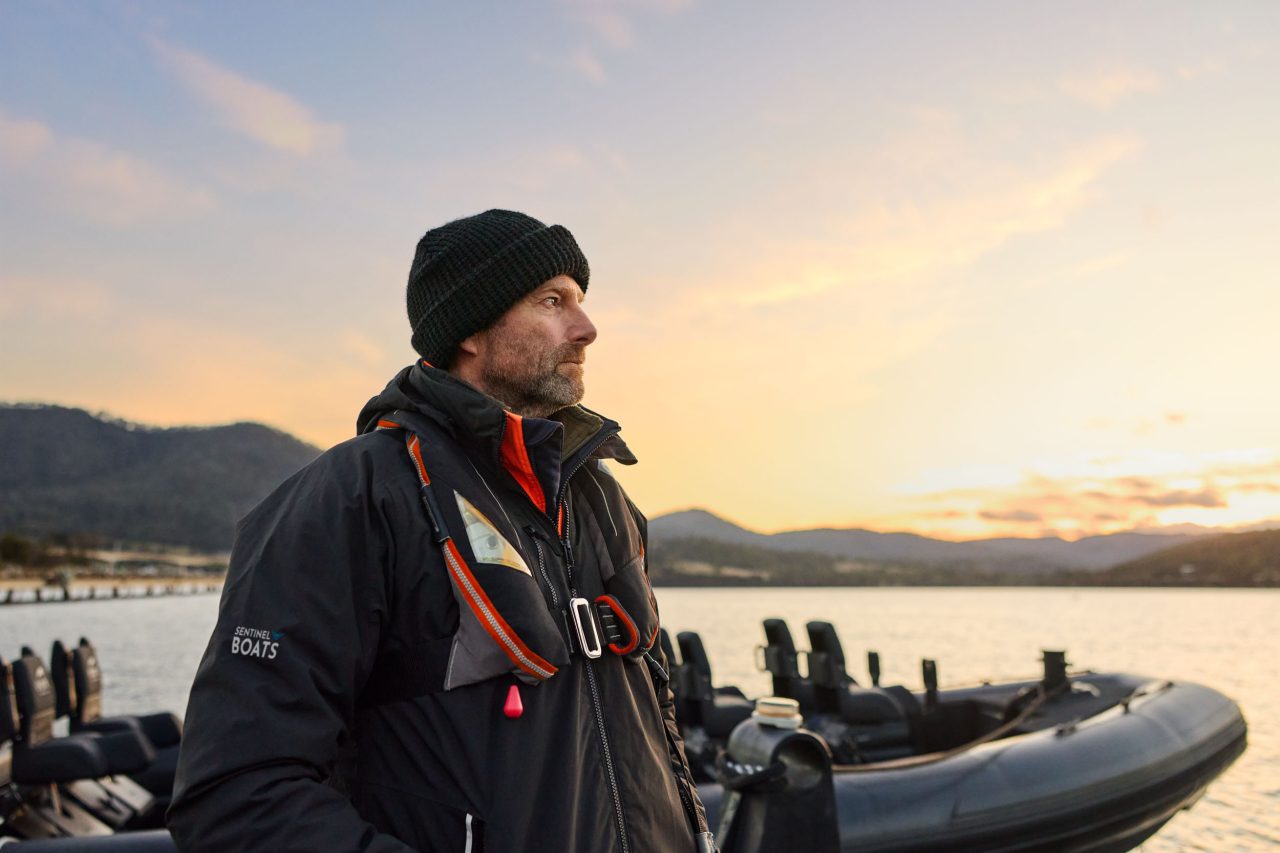
Shared optimism for future success
Having been there from the start, NAB shares in Sentinel’s optimism.
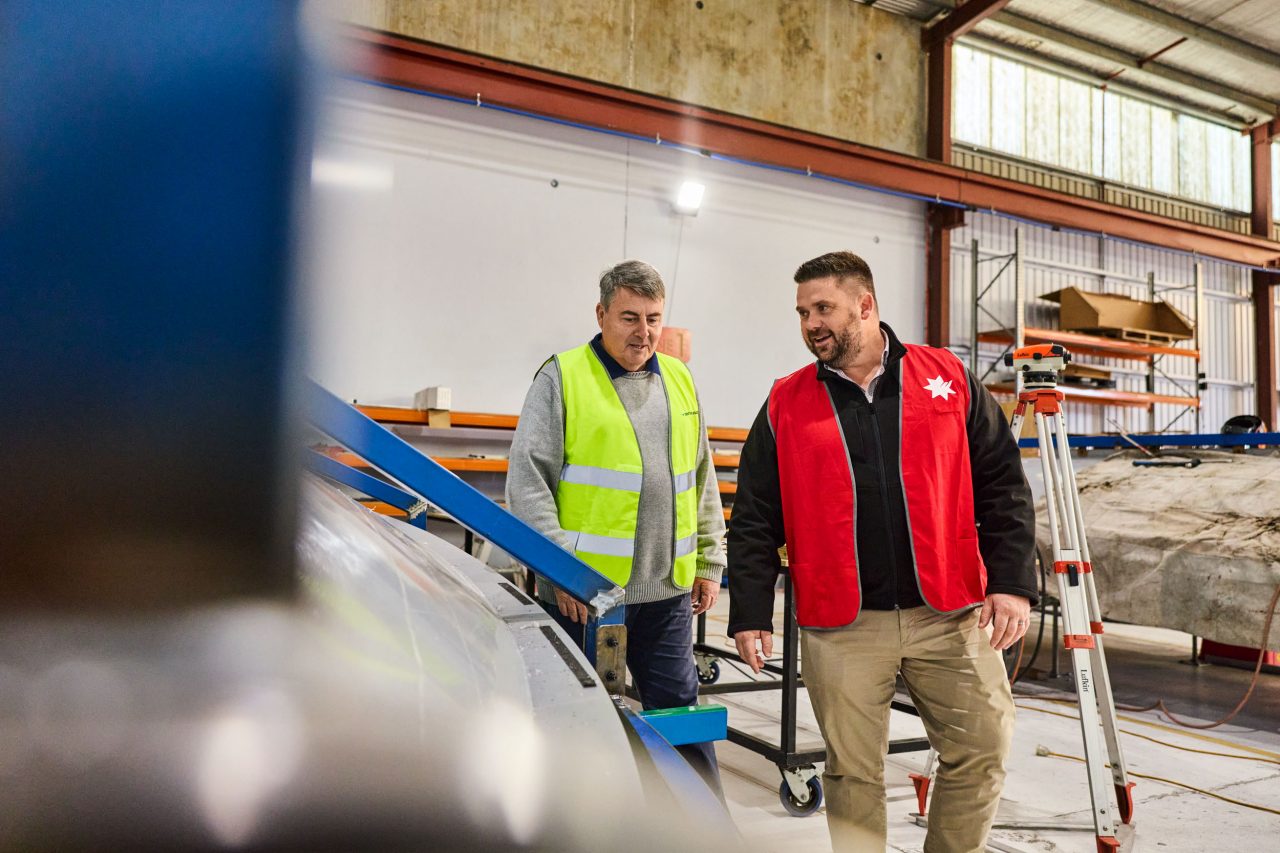
“We had complete faith that once it was out there, there absolutely would be demand for it,” says Tom Wright, NAB’s Business Banking Executive Tasmania. “It’s an exciting time for them and the industry.”
NAB has provided multifaceted support to Sentinel over the years, including trade finance solutions for the highly complex New Zealand project, a line of credit to help manage cash flow, and foreign exchange hedging.
“NAB sees the direction we’re going, the investment and changes we’ve made, and they’re willing to invest with us,” McGuire says.
“With the success of the New Zealand contract, we're now getting people saying, 'This is what we want.'
There is no reason in 20 years from now that we couldn't have manufacturing sites across Australia – and possibly globally as well.”
ARTICLE
23 January 2026
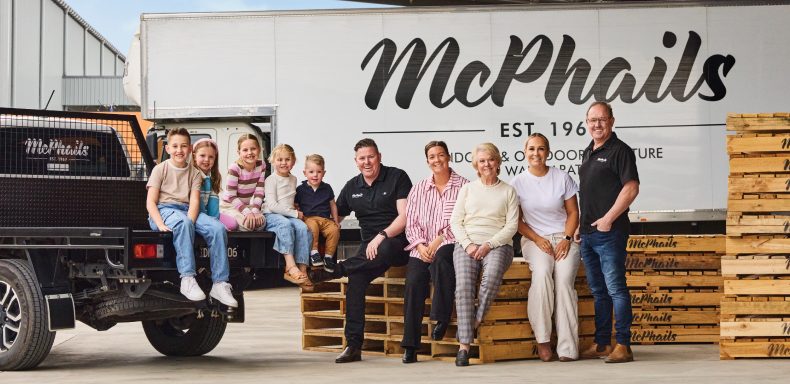
Offering fast turnaround and keenly priced delivery has helped regional retailer McPhails supercharge its sales of imported furniture.
ARTICLE
23 January 2026
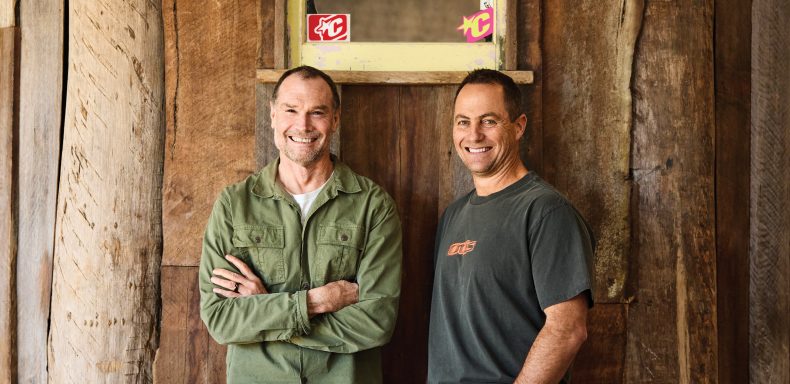
Appealing brands and a grassroots attitude are helping The Leisure Collective surf a wave of success at home and overseas.