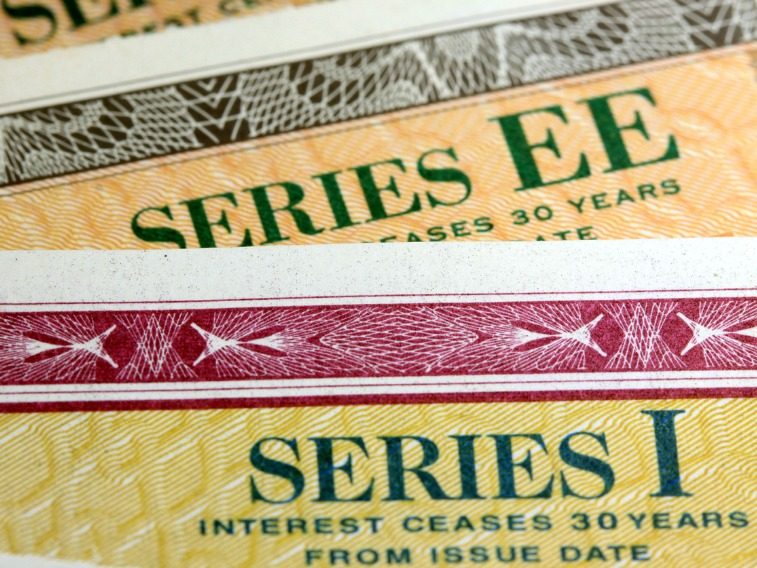
Bonds play an important part in a long term, diversified investment portfolio.

Investments
First published July 2025, updated September 2026
Geopolitical Risk: what it means for investors
Key points
- Geopolitical risk includes conflict, political instability, trade restrictions, sanctions, regulatory change and tension between countries.
- These events can affect investments through changes in economic growth, inflation, interest rates, currencies, commodity prices and investor confidence.
- Different assets, industries and countries can respond differently to the same geopolitical event.
- Diversification can help reduce reliance on a particular market, region, industry or investment outcome.
- Investors should avoid making decisions based only on headlines and consider geopolitical developments within a long-term investment strategy.
- Investment decisions should reflect an investor’s objectives, circumstances, time horizon and capacity to accept risk.
Globalisation gives way to regional politics
By John Kroustalis - senior investment specialist, NAB Private Wealth
The economic outlook and the potential risks and opportunities it represents has long been a main driver of investment decisions. Geopolitical risk was more a back burner consideration, occasionally coming to the fore when country tensions rapidly expanded.
However, we are shifting from the previous ‘era’ of globalisation to a more nuanced world order dominated by regional geo-politics and position jostling by major powers. This type of global regime change tends to occur every 30-40 years.
The key point for investors is that it is no longer sensible nor possible to separate the geo-political from the economic.
Defining Geopolitical risk
Geopolitical risk can impact all investments across regions, sectors and industries. It refers to the potential for political, social, economic, or military conflicts to disrupt financial markets or affect the performance of investments.
These risks can arise from issues such as wars, political instability, trade disputes, terrorism, and regulatory changes, among others. Geopolitical risk can have a significant influence on investment decisions and asset allocation, as it introduces uncertainty and can lead to market volatility.
Additionally, geopolitical events can disrupt supply chains, affect global trade agreements, and lead to changes in government policies that can directly impact businesses and investments. For example, trade tensions between countries may result in tariffs being imposed on imports and exports, affecting the profitability of businesses operating in those markets.
In addition to impacting trade and political policies directly, geopolitical risk can also influence traders that focus on macroeconomic indicators and their approach to managing foreign exchange rates, interest rates, and commodity prices, further complicating investment decisions.
Accounting for Geopolitical risk
There are several strategies that investors can consider when looking to reduce risk:
- Diversification is a key risk management strategy, as spreading investments across different asset classes, industries, and regions can help mitigate the impact of geopolitical events on a portfolio. Gold is often referred to as a safe-haven asset, as investors tend to buy it during times of political and economic uncertainty. Historically, the price movement of equities and gold is independent as they are uncorrelated, which adds diversification to an investor’s portfolio.
- Conducting thorough research and staying informed about geopolitical developments can also help investors anticipate potential risks and make more informed decisions. With modern technology, investors have instant access to global news, meaning markets can react swiftly to news reported on geopolitical events.
- Implementing risk management techniques such as stop-loss orders or hedging strategies using options can provide protection against sudden market movements triggered by geopolitical events. By adhering to an investment strategy, investors can set pre-determined triggers to minimise risk exposure and capitalise on a rebound in the market.
- Engaging with a professional financial advisor or investment analyst who specialises in global markets can also provide valuable insights and guidance on navigating uncertain market conditions. It is important to understand the adviser’s approach to risk management and ensure it aligns with your risk profile as an investor.
Conclusion
Maintaining a long-term investment perspective and avoiding hasty reactions to geopolitical events can help investors ride out short-term volatility and focus on their overall investment goals.
Whilst markets can have a negative reaction to global conflicts, historically they tend to recover within weeks from the low point.
By sticking to a well-defined investment strategy, investors can avoid the emotional impulses of reacting to market fluctuations and mitigating short-term down turns by remaining invested for the long term.
In conclusion, geopolitical risk is a critical consideration for investors, as it can have a significant impact on performance and portfolio stability.
By understanding the nature of geopolitical risk, implementing risk management strategies, and seeking expert advice, investors can effectively mitigate the impact of geopolitical events on their investments and make more informed decisions in today's complex global marketplace.
Frequently asked questions on geopolitical risk investing
Geopolitical risk refers to events such as wars, political instability, trade disputes, economic sanctions, regulatory changes, and tensions between countries that can affect economies and financial markets. These events can influence investment returns by impacting growth, inflation, interest rates, currencies, commodity prices, and investor confidence.
Why does geopolitical risk matter to investors?
Geopolitical events can create uncertainty and market volatility. They may affect company earnings, disrupt supply chains, alter trade relationships, and influence central bank decisions. As a result, geopolitical developments can impact the performance of shares, bonds, property, currencies, and commodities.
How can geopolitical events affect my investment portfolio?
The impact depends on the type of event and the investments you hold. For example, trade restrictions may affect exporters, conflicts can influence energy prices, and sanctions may disrupt specific industries or regions. Different asset classes, sectors, and countries often respond differently to the same event.
How can diversification help manage geopolitical risk?
Diversification spreads investments across different asset classes, sectors, industries, and geographic regions. This can reduce the impact of a negative event affecting a particular market or investment. A diversified portfolio is less reliant on any single economic outcome or geopolitical development.
Which investments are most exposed to geopolitical risk?
Exposure varies depending on the event. Companies with global supply chains, businesses dependent on international trade, and industries affected by commodity prices may be particularly sensitive. Some countries and sectors may face greater impacts than others depending on the nature of the geopolitical development.
How often should investors review geopolitical developments?
Investors should stay informed about major developments, but avoid constantly adjusting their portfolios in response to every news story. A disciplined investment approach, supported by regular portfolio reviews, is often more effective than frequent trading based on short-term events.
What role do interest rates and inflation play in geopolitical events?
Geopolitical developments can influence inflation, commodity prices, and economic growth. These factors may affect central bank decisions on interest rates, which in turn can influence asset prices, borrowing costs, and investment returns.
What should investors focus on when geopolitical risks increase?
Rather than focusing exclusively on short-term headlines, investors should assess whether their portfolio remains aligned with their goals, risk tolerance, and investment time horizon. Diversification, risk management, and a long-term perspective remain important principles during periods of geopolitical uncertainty.
What is the biggest mistake investors make during geopolitical crises?
One of the most common mistakes is making emotional, short-term decisions in response to market volatility. Reacting to fear or uncertainty can lead investors to move away from a well-considered investment strategy at the wrong time. Maintaining discipline and focusing on long-term objectives can help investors navigate uncertain periods more effectively.
To discover more call 1300 683 106 or email us on investordesk@nab.com.au
View all Investment Insights and Articles
Important information
The information contained in this article is gathered from multiple sources believed to be reliable as at Sepyember 2026 and is intended to be of a general nature only. It has been prepared without taking into account any person’s objectives, financial situation or needs. NAB does not guarantee the accuracy or reliability of any information in this article which is stated or provided by a third party. Before acting on this information, NAB recommends that you consider whether it is appropriate for your circumstances. NAB recommends that you seek independent legal, property, financial and taxation advice before acting on any information in this article. ©2026 NAB Private Wealth is a division of National Australia Bank Limited ABN 12 004 044 937 AFSL and Australian Credit Licence 230686.Insert article hereInsert article here
Investments
Bonds vs Term Deposits
Article
Getting the right positioning on the income side of a portfolio is vital for long term returns.