23 January 2026
An advanced design and durable construction give Hobart’s Sentinel Boats a critical advantage in a demanding market – here and overseas.

21 January 2026
Searching out new markets for its premium oils, pastes and powders has helped Plenty Foods build a sizeable export revenue stream.

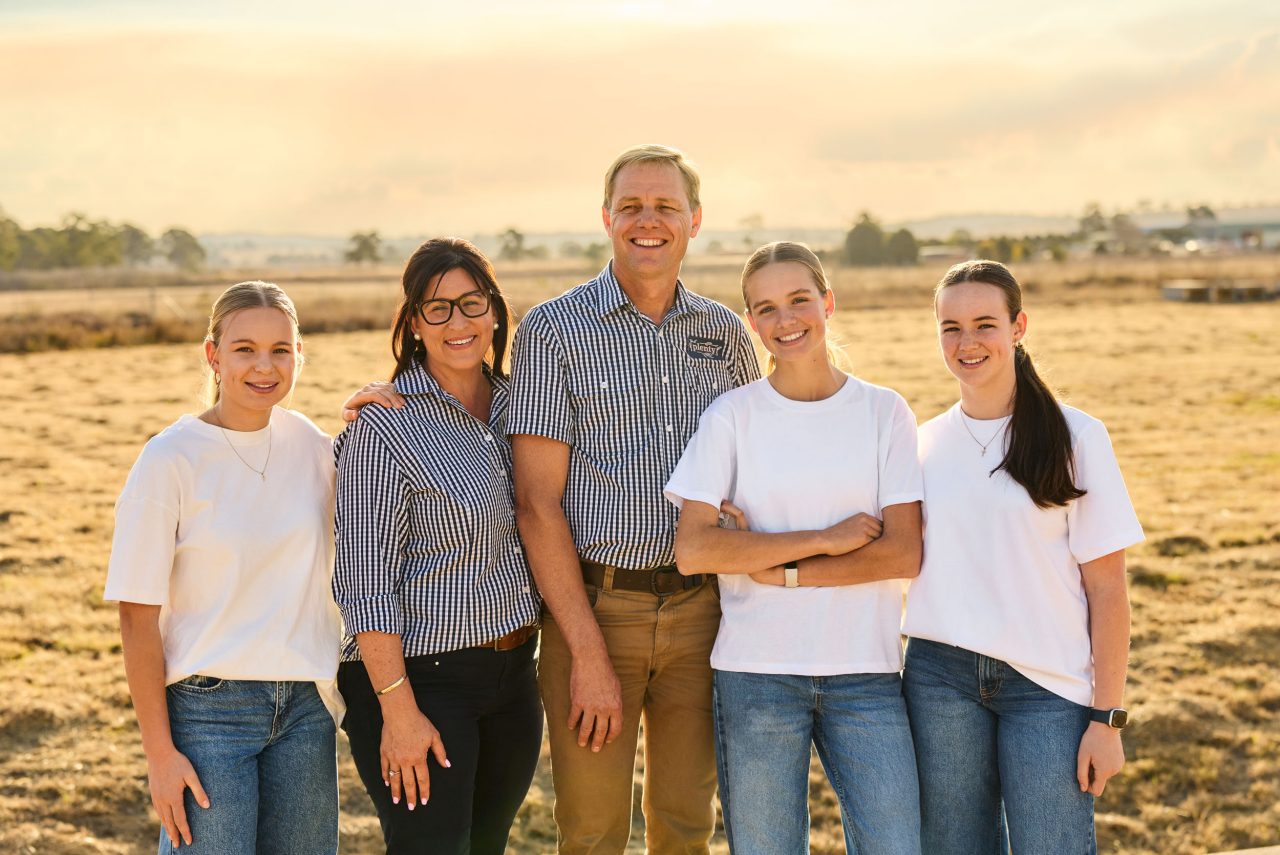
When Josh Gadischke and his wife Jo acquired Plenty Foods – the business Josh had worked at for the past decade – it was a small business turning out an extensive product offering.
Rationalising that range was one of their first acts as owners.
“As a manufacturer, you need long runs on a production line. Those little runs where you start, stop and change really erode profitability in the business,” Josh explains.
“The approach we took was to delete underperforming lines, like table olives and dukkah spice mix, so we could focus on products that could scale up – the nut oils and nut pastes.
“And we looked to diversify by establishing a wider range of customer channels, including supermarkets, health food stores and export markets.”
When growth goes nuts
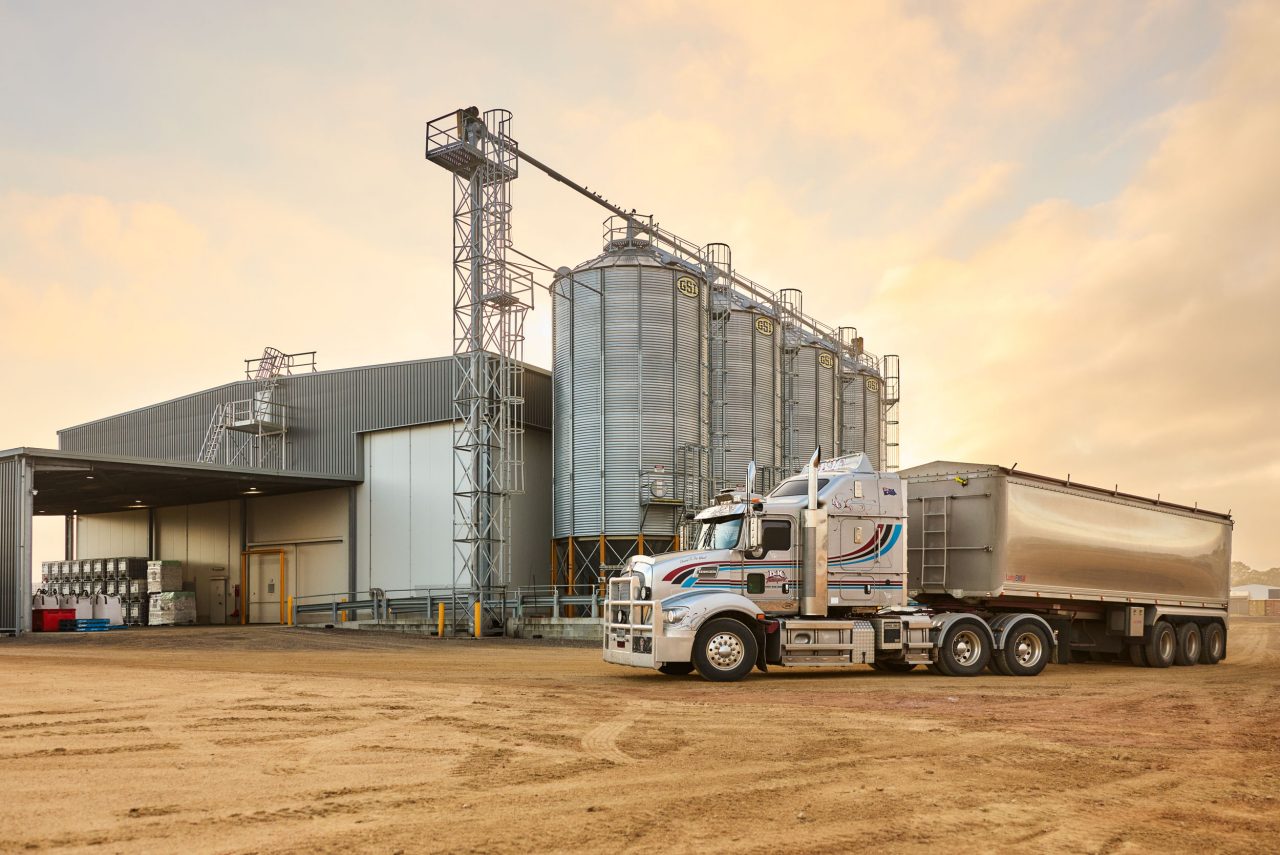
It’s a strategy that’s led to exponential growth. Since the Gadischkes took over in 2010, Plenty Foods has become one of Australia’s leading cold pressed oil manufacturers, with a team of 40 and production lines running around the clock.
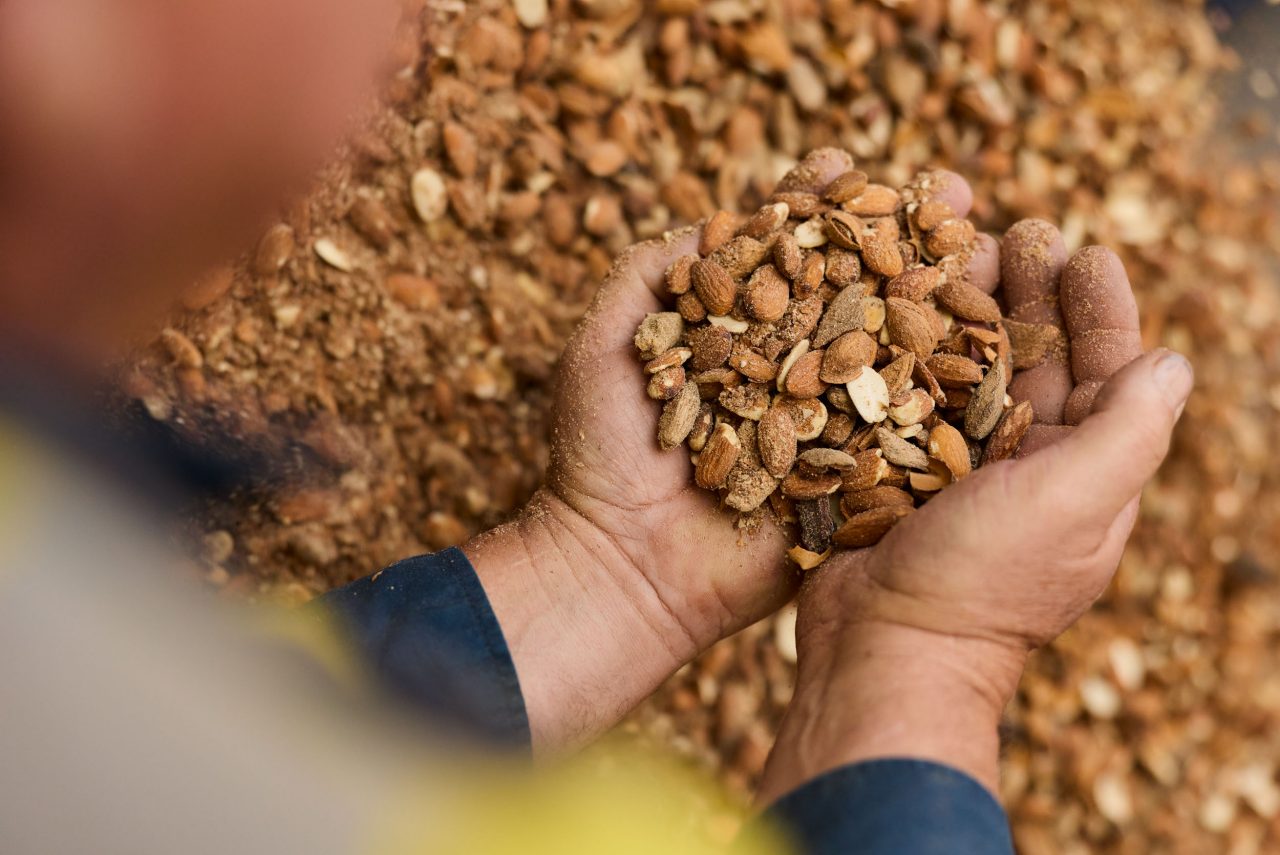
Its Kingaroy facility has the capacity to turn off six million bottles a year of macadamia, almond, avocado, walnut, flaxseed, peanut and safflower oil, along with thousands of tons of peanut butter produced from the Queensland town’s signature crop.
Around 30 per cent of that output is exported, to distributors and white label customers in 15 countries, including Singapore, China, Japan, Korea, Indonesia, France and Spain. Most of the products are destined for the dining table, in one form or another, although Plenty Foods has found a profitable niche supplying almond oil to the cosmetics industry in Europe.
Turning connections into customers
Taking part in AusTrade and Trade Investment Queensland delegations and trade shows has helped Plenty Foods form many of the connections that have led to long-term trade relationships.
Other customers have turned up out of the blue, including the Korean distributor that kicked things off by ordering a container load of peanut butter. Thanks to their efforts, Korea has become Plenty Foods’ largest market for the spread.
“You don’t have to sell to the whole world,” Josh says. “As a small business, it’s about finding a partner or a segment in an export market that matches your capacity to deliver.”
Being active in multiple countries, however, has helped keep demand steady, global economic ups and downs notwithstanding.
“When some channels ease back a little, others tend to stay strong,” Josh says.
Getting in to India
Late 2025 saw the completion of a new $22 million nut flour processing facility which will allow Plenty Foods to take advantage of growing global demand for plant-based protein and gluten free goods.
It’s expected to give the business a foothold in India, with its 1.5 billion population and strong preference for vegetarian cuisine.
“We’re hoping that, in some small way, there’s a gap there for us,” Josh says.
Partnering with NAB
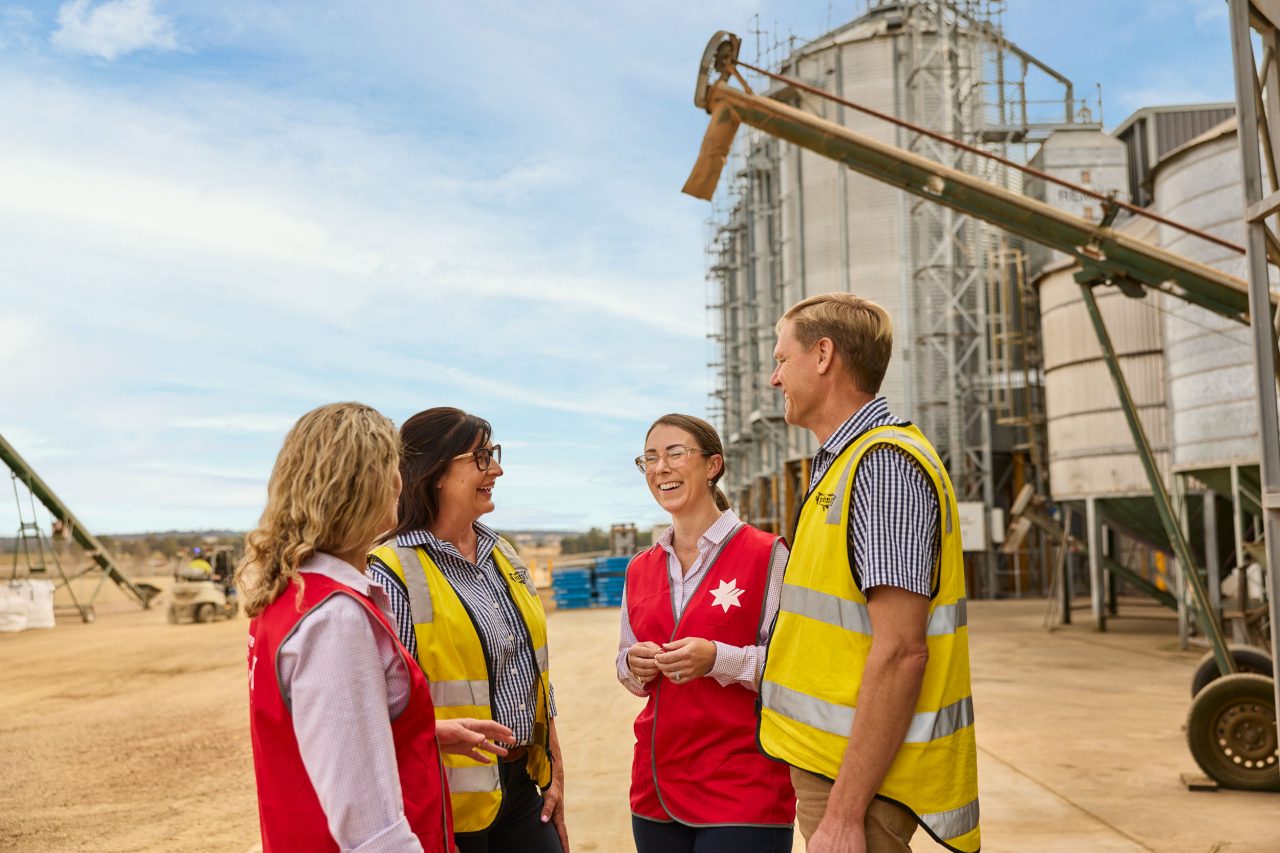
NAB Agribusiness Manager Emma Hayward says having access to flexible finance options has helped Plenty Foods develop the processing capacity to support its steadily expanding export activities.
“Understanding Josh and Jo’s business means we can help them innovate and pursue those big opportunities at home and abroad,” she says. “It’s rewarding to watch them achieve the goals they set for themselves.”

ARTICLE
23 January 2026
An advanced design and durable construction give Hobart’s Sentinel Boats a critical advantage in a demanding market – here and overseas.
ARTICLE
23 January 2026
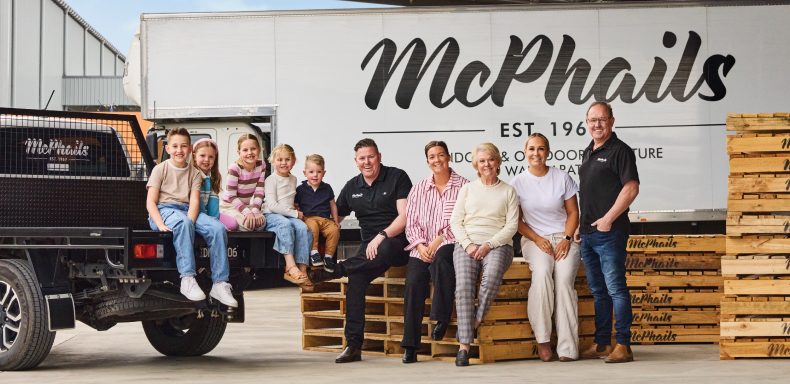
Offering fast turnaround and keenly priced delivery has helped regional retailer McPhails supercharge its sales of imported furniture.