23 January 2026
An advanced design and durable construction give Hobart’s Sentinel Boats a critical advantage in a demanding market – here and overseas.

February 10, 2026
Export know-how has turned Australian Grain Export into a global trading powerhouse
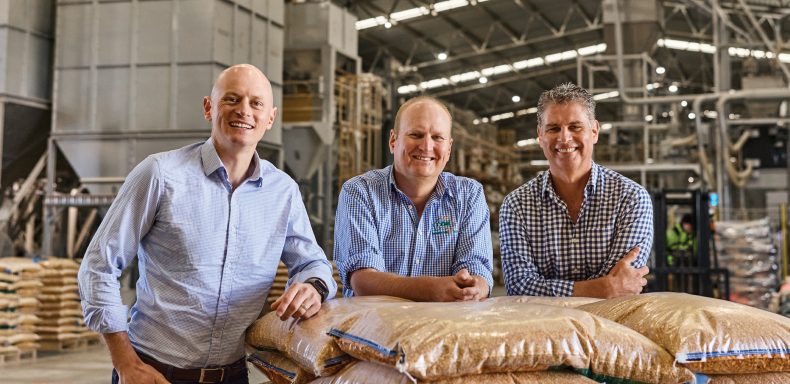
A lot can change in 30 years. Back in 1996, when Australian Grain Export was founded, pulses were considered an alternative crop, once grown in volumes too small to be of interest to established trading houses.
Fast forward three decades and they’re anything but. Thanks to AGE’s success developing lucrative markets in Asia, India and the Middle East, lentils and faba beans now comprise a large part of the harvest on South Australia’s Yorke Peninsula.
The connections AGE fostered with those growers stood it in good stead following the deregulation of South Australia’s barley export market in 2007, and the abolition of the Australian Wheat Board’s monopoly on bulk wheat exports the following year.
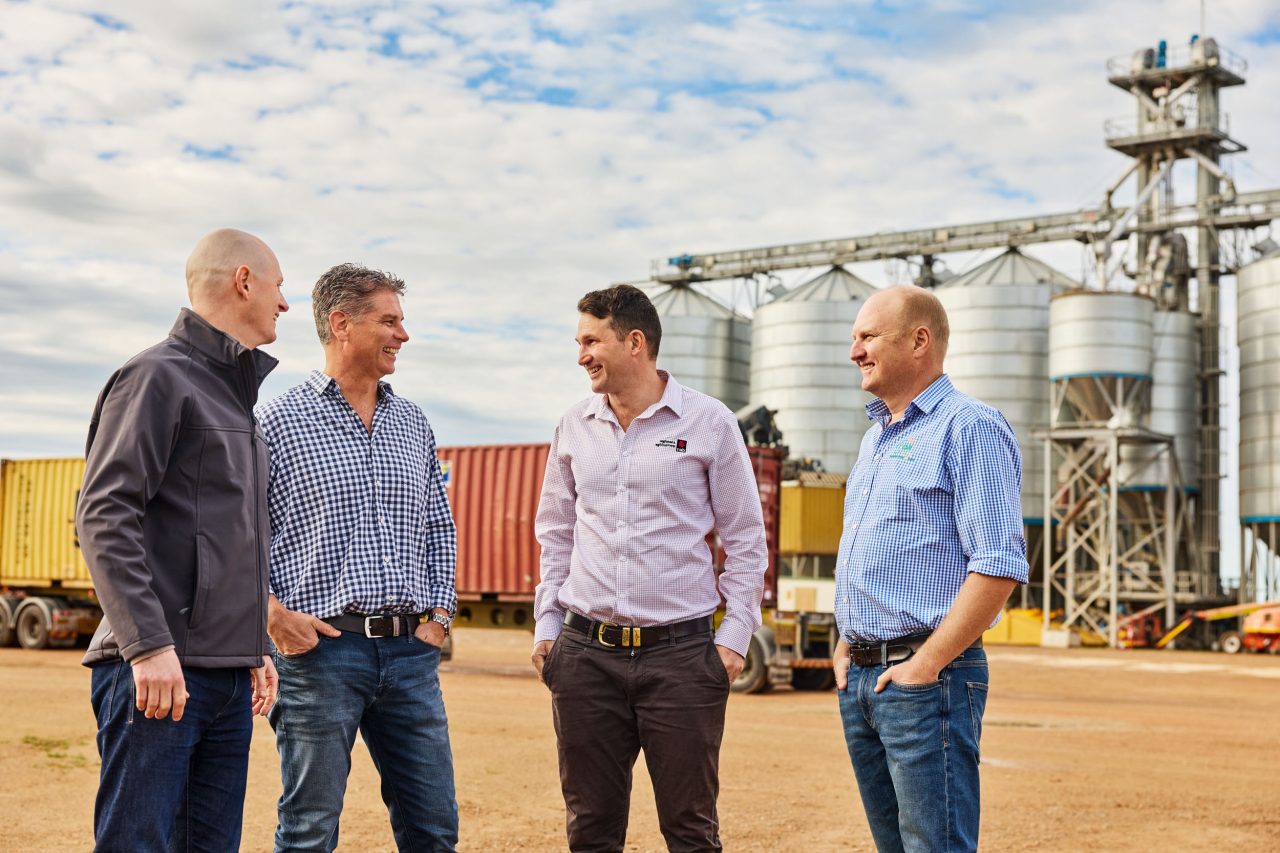
Leaping into the big league
These events proved to be game changing developments that would enable AGE to morph from boutique trading business into big league player.
“We had an established name from trading in pulses so growers were happy to start selling us their wheat and barley in a deregulated market, knowing we would pay fair prices,” AGE senior trader Tyson Hewett says.
After beefing up its team with container trading specialists, AGE entered the direct export arena for cereals in 2011 and five years later its first 50,000 tonne bulk vessel set sail.
“We budgeted on doing two that year but ended up doing 12,” Hewett recalls. “Our team has the skills to manage both ends of the relationship and maintains a lean operating structure so that we are more efficient than everyone else.”
Feeding the world with Australian grains
Efficient it may still be, but the company has grown over the journey.
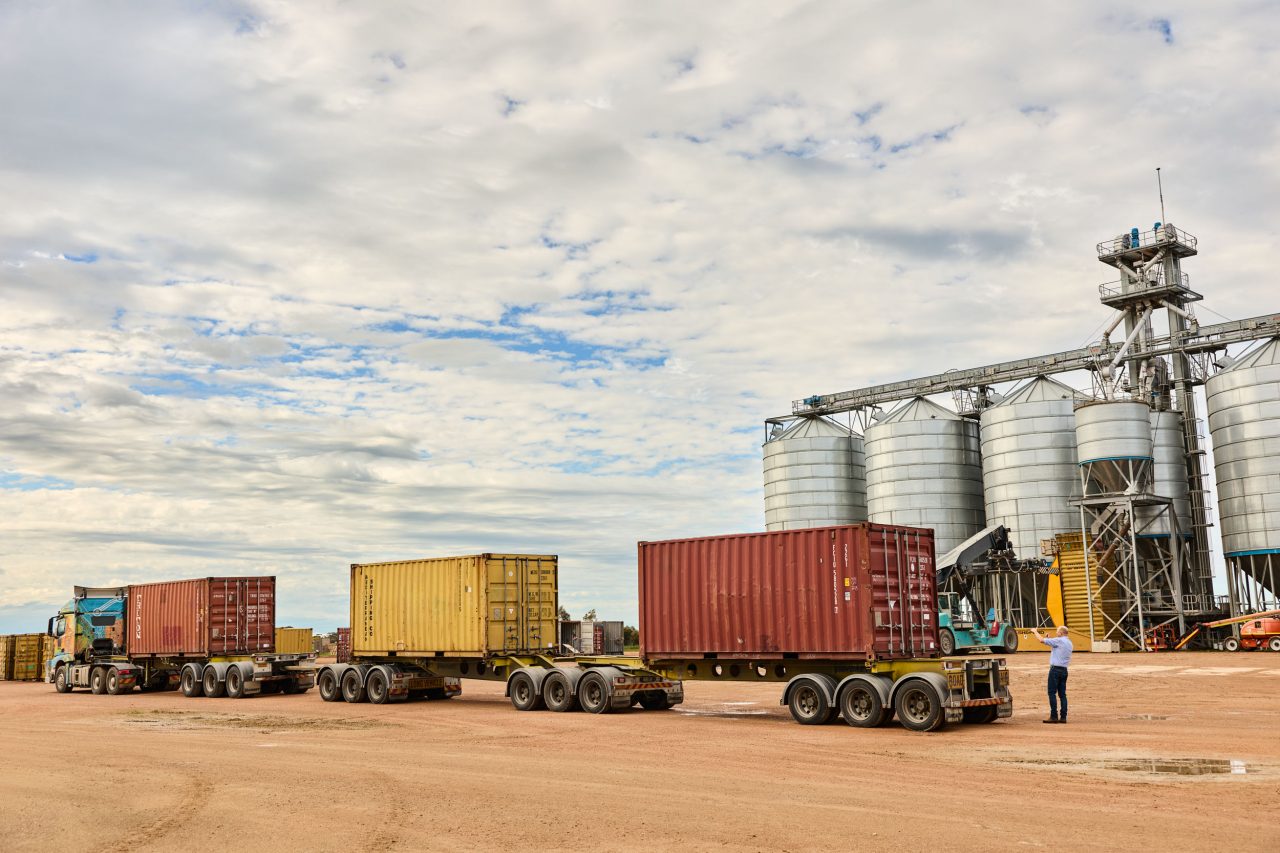
Today, AGE works with a network of more than 8,000 growers and a customer base of wholesalers and importers in over 20 countries spanning Asia, the Middle East and the Indian sub-continent.
It trades around 3.5 million tonnes of wheat, barley, lentils, faba beans, chickpeas, lupins and field peas a year in the bulk and container markets, and has an annual turnover of around $1.6 billion.
Adding value and protecting prices
In recent years, AGE has upped its earn by taking ownership of key aspects of the supply and production chains.
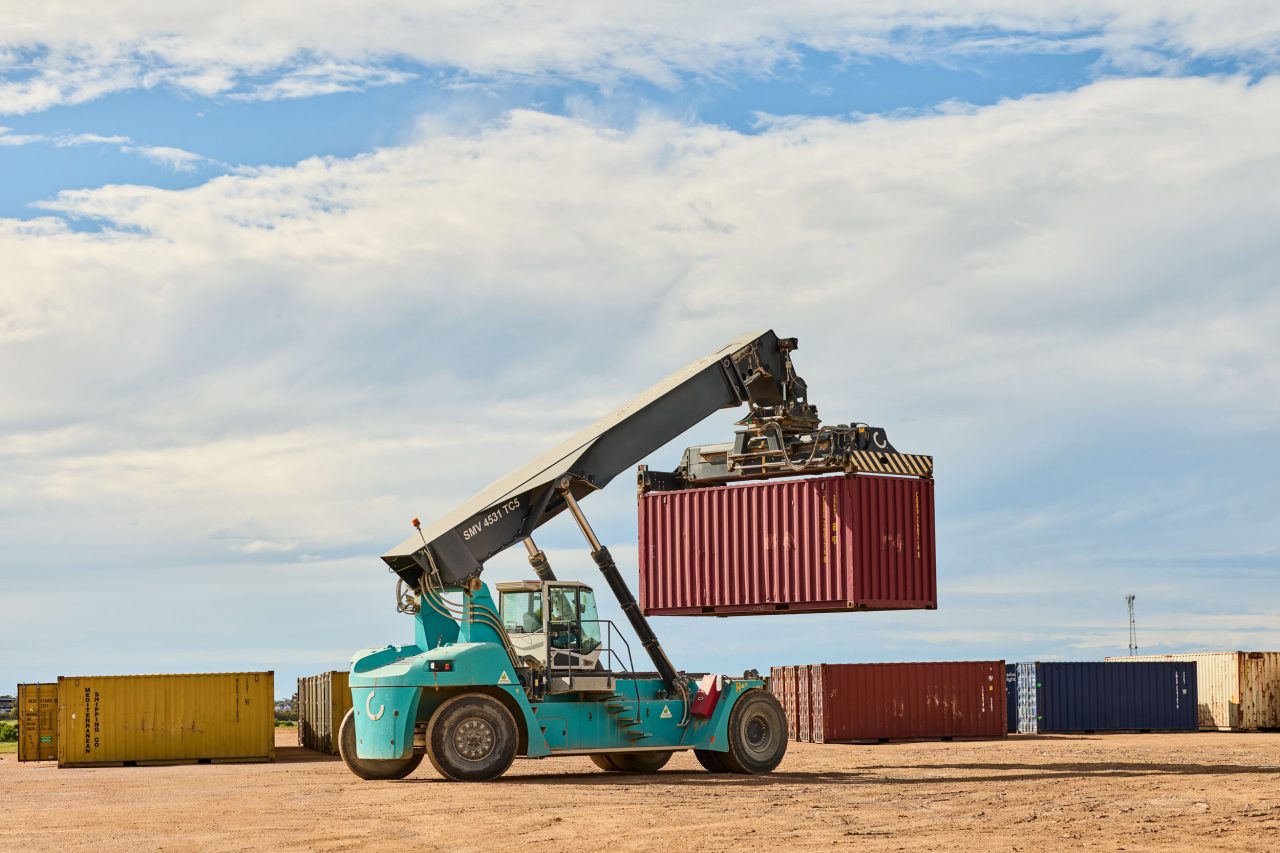
It’s acquired and developed storage, handling and processing facilities in Dublin, South Australia, and Rupanyup in Victoria. A recently constructed dry fractionation facility at the Dublin site has the capacity to process 20,000 tonnes of faba beans into protein and starch concentrates.
Investing in value adding processes reduces reliance on the bulk export market and can protect AGE and its growers from some of the uncertainties of a volatile international trading landscape.
“They’re tools in our trading belt that can help us continue to move product and get more consistent prices even when markets stall,” Tyson says. “If there’s a conflict or a currency crisis, for example, discounting high value pulses into the stock feed market needn’t be the only option.”
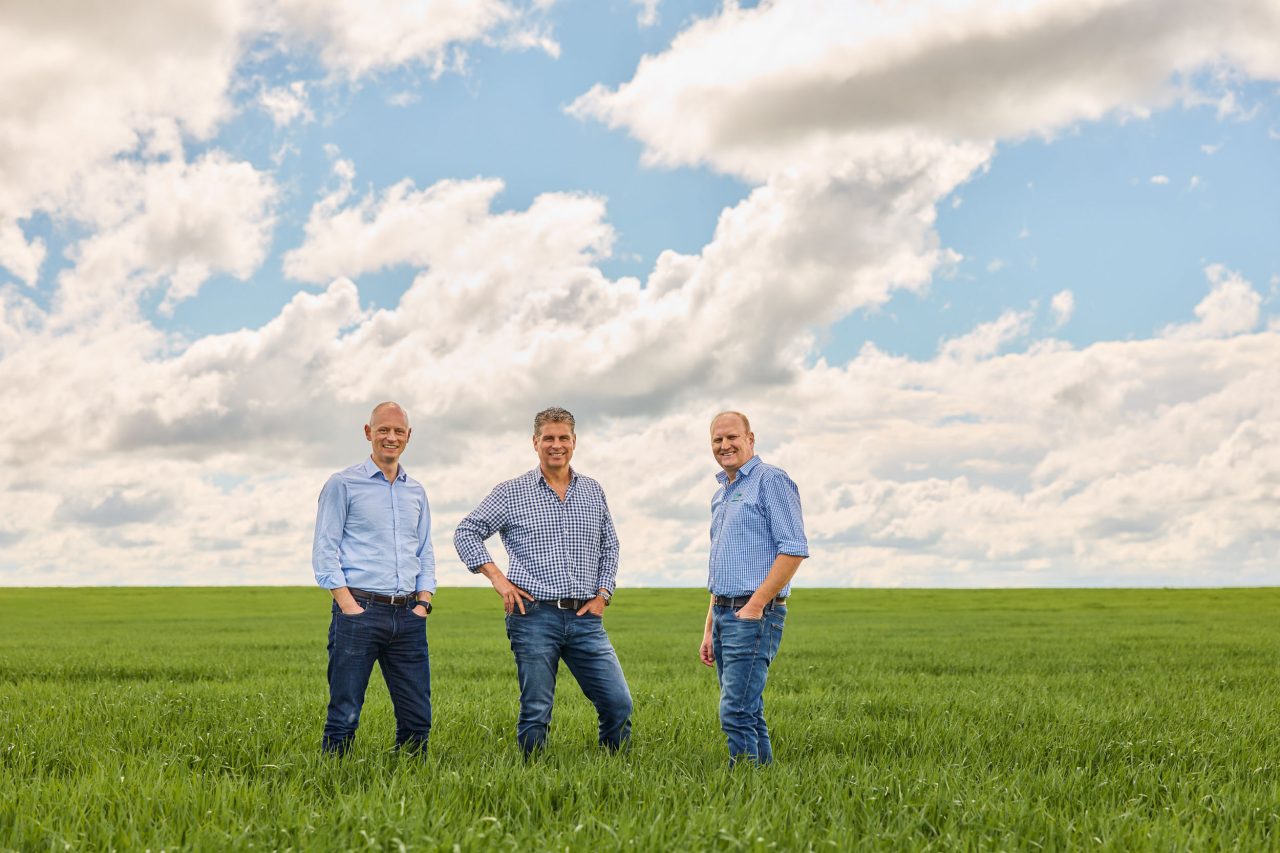
Partnering with NAB to take on the world
NAB Director, Corporate Agribusiness, Brad Hector says strong relationships at home and abroad have been key to AGE’s profitability and growth.
“AGE has built a very good client and grower base,” he says. “Trading grain is a complex process and the management team has demonstrated a consistent ability to perform in challenging environments. NAB is proud to provide the financial support they need to export Australian commodities all around the world.”
ARTICLE
23 January 2026
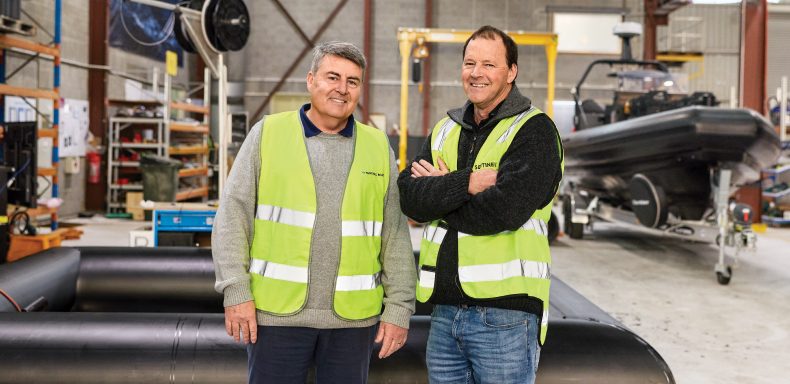
An advanced design and durable construction give Hobart’s Sentinel Boats a critical advantage in a demanding market – here and overseas.
ARTICLE
10 February 2026
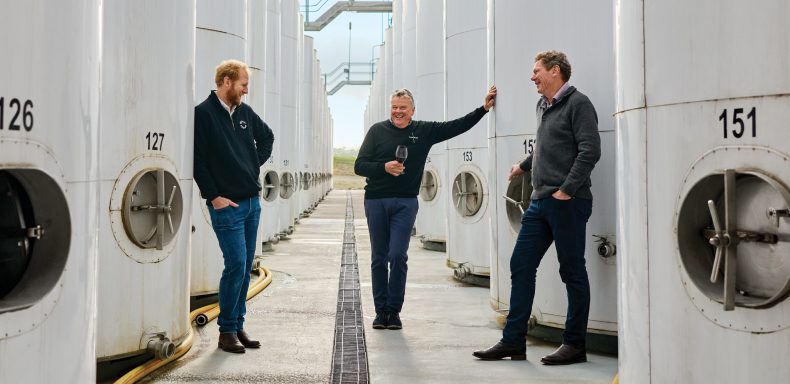
Prioritising quality over quantity has helped O’Leary Walker secure shelf space in some of Europe’s finest grocery chains.