Start small. Stay safe. Scale.
"AI is a productivity and thinking accelerator - not a substitute for professional judgement." - Timothy Gauci, Design and Diplomacy Director

28 May 2026
EOFY is a big event in every small business owner’s calendar. Instead of leaving it to the last minute, taking a few steps early can save time, reduce stress—and help you spot opportunities to improve cash flow before 30 June.
Each end of financial year (EOFY) marks a milestone for small businesses – an opportunity to close the books on one year and start a new one fresh. Submitting your annual tax return to the Australian Taxation Office (ATO) is part of that process.
The information you provide in your tax return helps determines whether your business owes money or is due a refund. It also prompts you to get your admin in order and gives you a solid snapshot of your financials.
A few simple actions now can help you avoid a rush at the end of June. This isn’t about doing everything at once. It’s about taking smart steps that make a difference, so you can start the new year with confidence.
Start with the basics. Pull together your invoices, receipts, bank statements and any notes on business spending.
You may also need to generate a profit and loss statement, do a stocktake (if your business has inventory), and details of any assets, upgrades or improvements purchased during the year.
Having everything in one place – ideally in an accounting system like Xero– can make EOFY easier, whether you manage your accounts yourself or share them with an accountant or bookkeeper. NAB Business Transaction accounts enable bank feeds so your bank transactions are sent straight to your accounting software instead of entering them manually.
Other documents you might need include interest paid on loans or business credit cards and payroll records. Having everything in one place - ideally in an accounting system, can make EOFY faster and reduce the time (and cost) involved in finalising your tax return.

If business and personal expenses are still mixed together, EOFY is a good time to draw a clear line.
Using a dedicated business account can make it easier to track cash flow, monitor spending and identify claimable business expenses and reduce the risk of errors at tax time. It is a simple step, but can save time all year round.
Many new business owners miss deductions simply because they don’t realise what can be claimed. The tax rules for small businesses do change, so check for updates when completing your tax return. The ATO website is a good start, or you could speak with a registered tax agent or accountant.
Depending on your business, deductible expenses could include equipment, subscriptions, training, insurance, professional services, marketing costs and some home office expenses.
Timing also matters. Purchasing eligible items or paying certain expenses before 30 June may allow you to claim sooner. For example, the government announced it will continue to provide support for small businesses by permanently extending the $20,000 instant asset write-off from 1 July 2026.


While you’re reviewing your expenses, consider whether there are any you could cut. Are there apps, software subscriptions or services you no longer use or could downgrade? A quick review can reduce unnecessary costs and improve how your business runs.
At the same time, review who owes you money. Following up overdue invoices before 30 June can improve your cash position and give you a cleaner start to the new financial year.
EOFY is also a useful checkpoint for your tax obligations. Take time to confirm your BAS is up to date, review GST collected, reassess PAYG instalments and ensure any required super payments have been made. Identifying issues early can help avoid surprises or penalties later, always check the ATO to keep on top of key lodgment and payment dates.

EOFY is the perfect time to set better habits. Storing receipts digitally, reconciling accounts regularly, tracking cash flow monthly and setting aside money for tax throughout the year can make next EOFY far less stressful. Automation and digital tools can free up time to focus on running your business.
EOFY is a deadline, but it’s also an opportunity. By getting organised now, you can gain clearer insight into your business and start the new financial year with more certainty.
Want further tips for your industry? Explore our EOFY Mini Guide for expert tips across small business, professional services, health and agri.
If you are unsure where to start or what tax considerations apply to your business, check the ATO guidance or speak with a registered tax professional.
The information contained in this article is intended to be of a general nature only. It has been prepared without taking into account any person’s objectives, financial situation or needs. Before acting on this information, NAB recommends that you consider whether it is appropriate for your circumstances. NAB recommends that you seek independent legal, financial and taxation advice before acting on any information in this article.

ARTICLE
Start small. Stay safe. Scale.
"AI is a productivity and thinking accelerator - not a substitute for professional judgement." - Timothy Gauci, Design and Diplomacy Director
ARTICLE
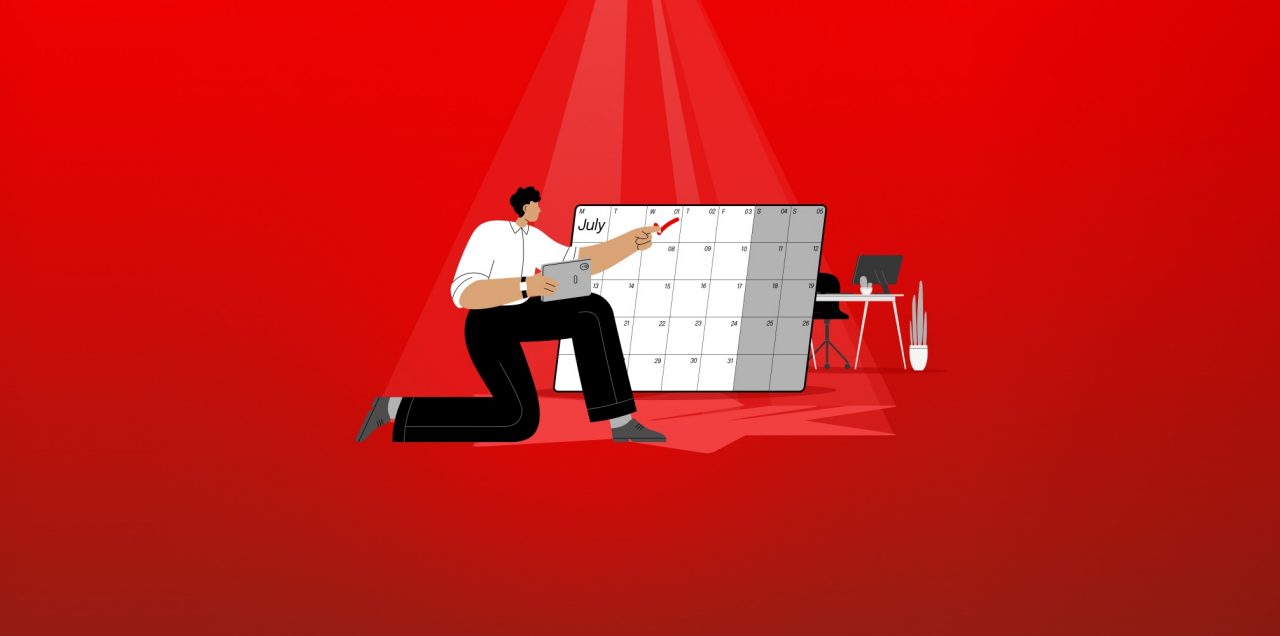
From 1 July, all employers, including small businesses, will need to pay their employees’ super contributions at the same time as their salary or wages. Employers who don’t meet these new obligations could face financial penalties from the Australian Taxation Office (ATO).