10 August 2026
Cian Dawson found a sweet spot in the market, disrupting the traditional dessert category with a high protein ice cream for a new generation of health conscious consumers.

3 September 2026
As a sole trader and small business owner, it’s worth drilling deeper into the new capital gains tax (CGT) changes announced in this year’s Federal Budget. While much of the discussion has focused on the headline reforms, there are important nuances that may impact both your business and personal finances. Our recent webinar explored the Budget changes and answered common questions from business owners, particularly related to CGT. Below are the key takeaways.
Recap: The new CGT system commences on 1 July next year and will replace existing rules that provide a 50% discount on capital gains for assets held for at least 12 months. Instead, capital gains will be adjusted for inflation and subject to the new minimum 30% tax rate.
Small business owners received some relief following the Budget, with the Government expanding an existing small business CGT concession. From 1 July 2027, businesses with turnover of up to $10 million will now be eligible for the 50% active asset CGT concession, up from the previous $2 million threshold.
Some aspects of the reforms are still being finalised, with the Government consulting with industry on how technical details of the legislation will work in practice.
Why it matters: The new system could impact tax planning but not everyone will be worse off, according to PwC Tax Partner & Advisor, Rohan Rivett.
Whether indexation results in a similar outcome to the 50% CGT discount will depend on inflation and growth over the period an asset is held. Depending on these factors, for certain longer-held assets the outcomes under the two models may be broadly similar.
Small business owners who are impacted may reconsider the structure of future investments. For example, company structures may suit some better than the discretionary trusts that are widely used today, says Rivett.
Planning ahead: Accurate record-keeping is now paramount because capital gains accrued before June 30 next year will be “grandfathered” – in other words, still taxed under today’s system.
A final CGT bill will be apportioned between the gains accrued before June 30 and gains made after that date. “Getting a valuation of assets at June 30 next year will be important to maximise the amount taxed under the current 50% discount and to set a benchmark for the new rules”, says Rivett.
Bottom line: News headlines only tell part of the story. The potential impact of the new CGT regime will depend on your circumstances, making it important to understand the detail before making decisions about selling, transferring or restructuring existing assets.
Any advice and information in this publication is of a general nature only. Any general tax information provided in this publication is intended as a guide only and is based on our general understanding of taxation laws. It is not intended to be a substitute for specialised taxation advice or an assessment of an individual’s liabilities, obligations or claim entitlements that arises, or could arise, under taxation law, and we recommend that you consult a registered tax agent.
This article has been prepared by National Australia Bank Limited ABN 12 004 044 937 AFSL and Australian Credit Licence 230686 (NAB) and is intended to be of a general nature only. It does not take into account any person’s objectives, financial situation or needs. Before acting on the information in this article, NAB recommends that you consider whether it is appropriate for your circumstances. NAB Recommends that you seek independent legal, financial, taxation or other professional advice before acting on any information int this article. Information correct as at August 2026.

ARTICLE
10 August 2026
Cian Dawson found a sweet spot in the market, disrupting the traditional dessert category with a high protein ice cream for a new generation of health conscious consumers.
ARTICLE
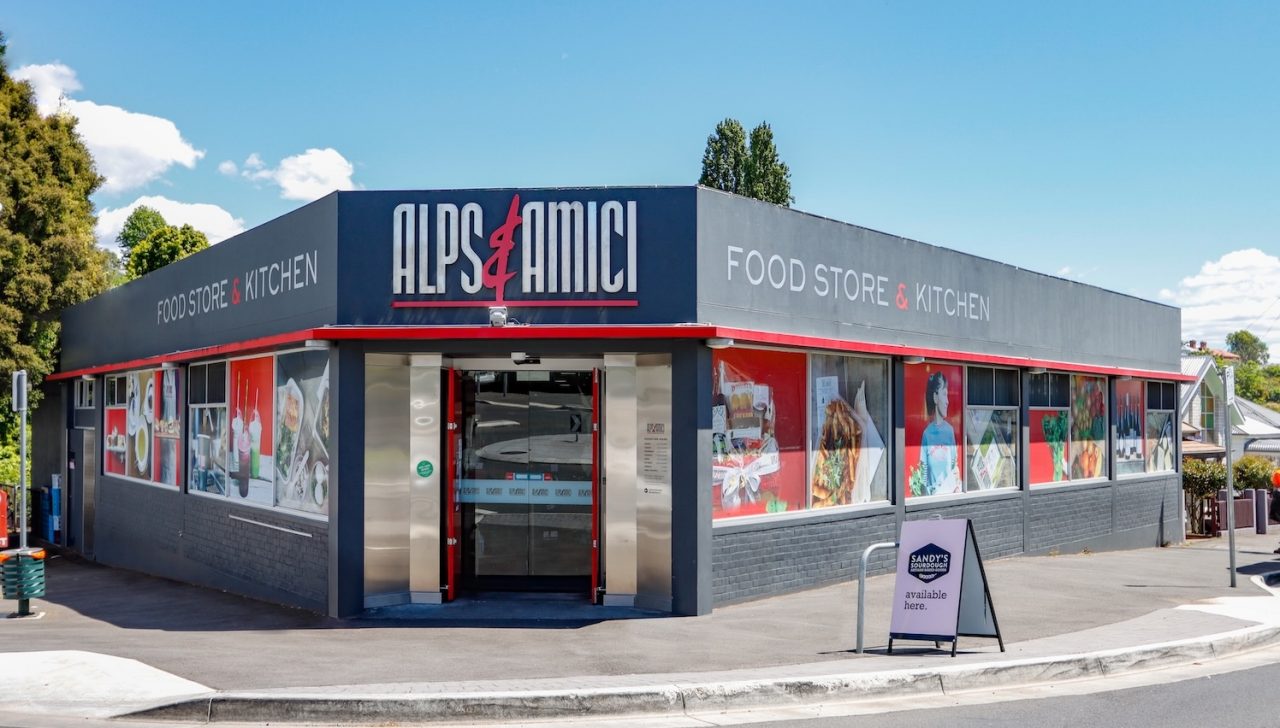
Daniel and Sally Alps have spent more than 15 years evolving Alps & Amici from a quiet local corner store into a thriving Tasmanian food business.