
EOFY is a big event in every small business owner’s calendar. Instead of leaving it to the last minute, taking a few steps early can save time, reduce stress—and help you spot opportunities to improve cash flow before 30 June.

30 June 2026
The Tasmanian food business built around reinvention
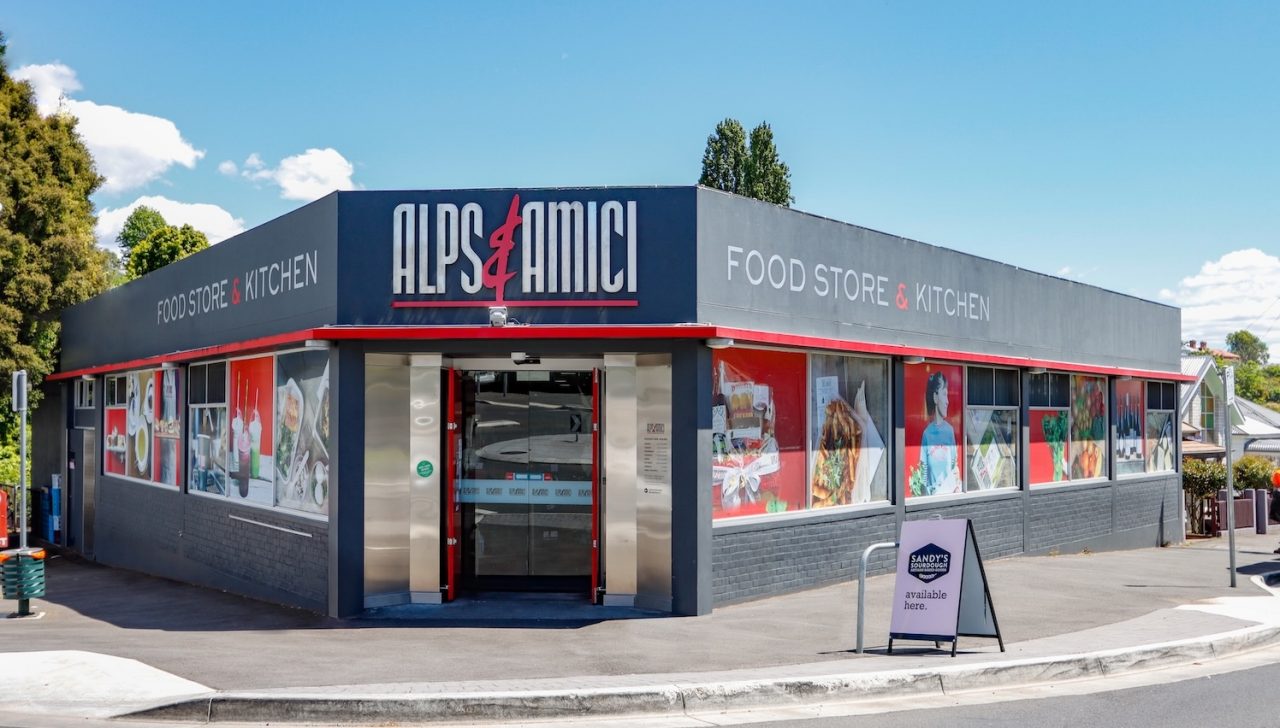
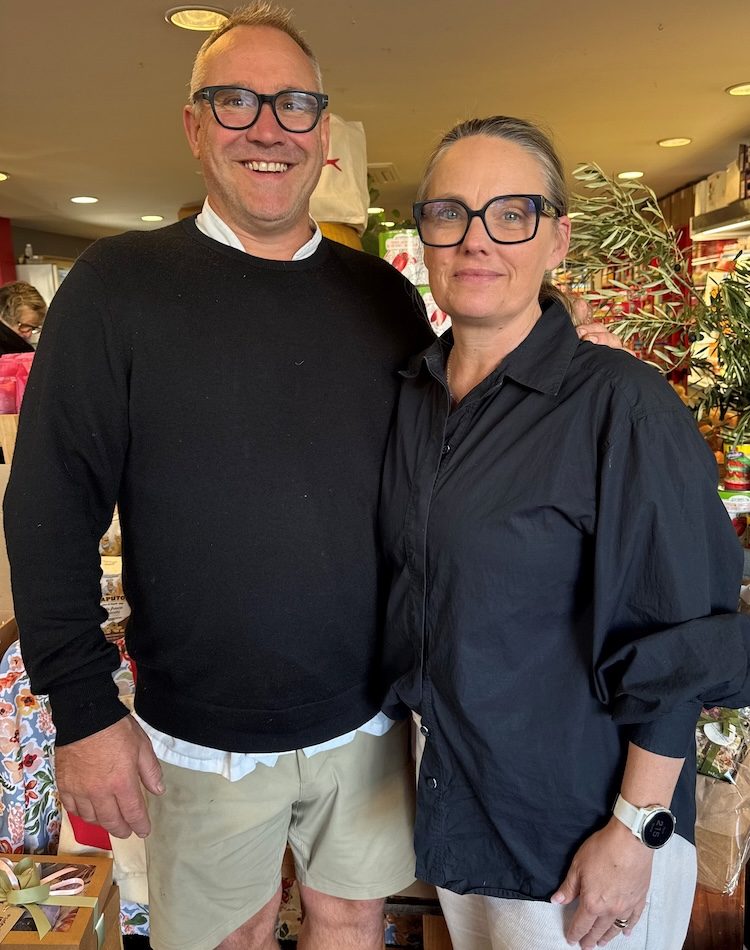
Daniel and Sally Alps have spent more than 15 years evolving Alps & Amici from a quiet local corner store into a thriving Tasmanian food business.
By 7am, the kitchen at Alps & Amici in Launceston, Tasmania, is already in full swing. Trays of lasagne are being packed, salads prepared and desserts boxed up for locals grabbing dinner on the way home, alongside hikers and travellers preparing for Tasmania’s remote walking trails.
For owners Daniel and Sally Alps, building a successful food business has meant staying close to what customers actually need, and being willing to rethink the model when the numbers demanded it.
A new kind of food business
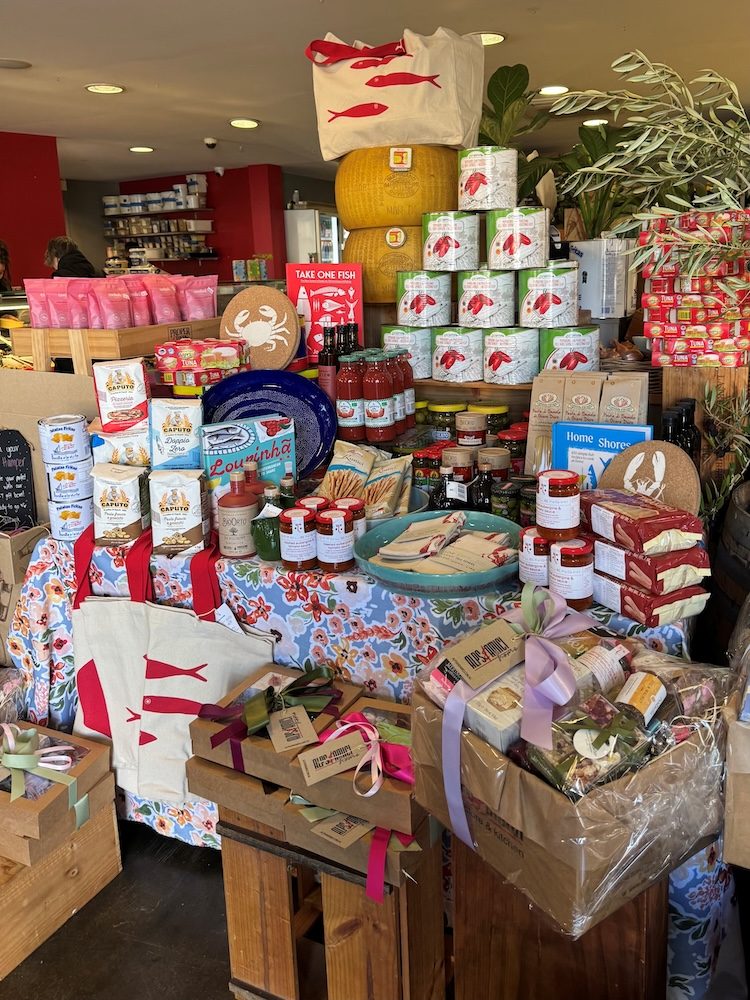
They had a different vision: a food store with a proper kitchen, where people could buy chef-prepared meals alongside quality produce and gourmet deli lines they couldn’t find anywhere else.
It was also a practical solution. Daniel was the chef; Sally ran front of house. With young children at home, they needed a model that let them stay in the industry they loved without the punishing hours of a traditional restaurant.
“We structured everything around the kids,” Sally says. “One of us was always at the store, one of us was always at home. The food store model made that possible in a way the restaurant never could.”
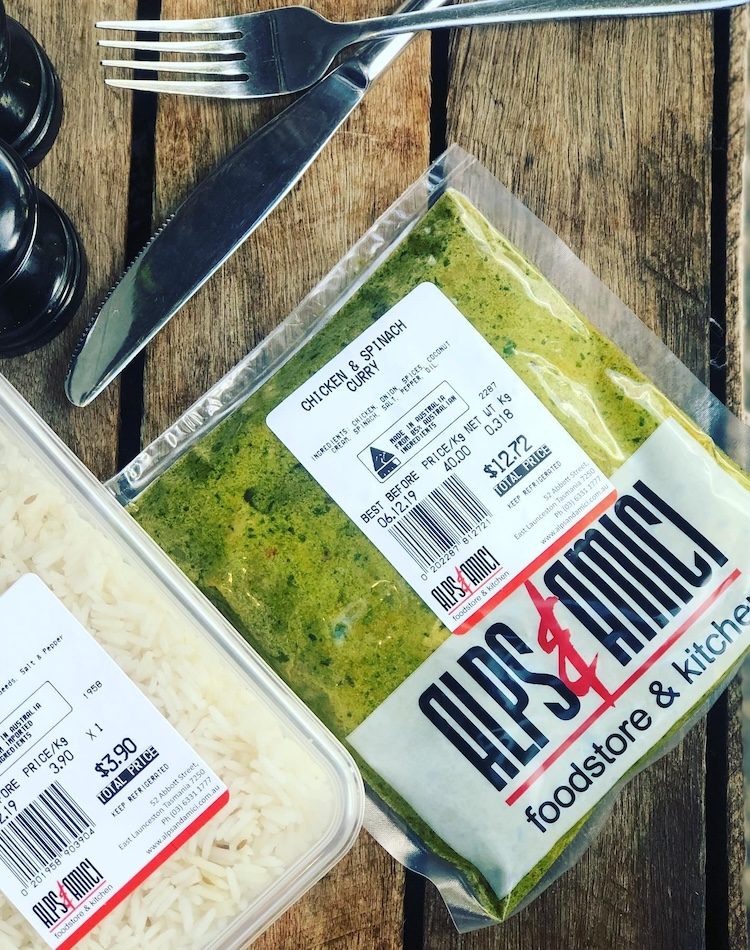
The concept was unfamiliar to customers at first. Chef-prepared meals in cryovac bags, which were standard in professional kitchens, were new to most shoppers. But Daniel and Sally kept going, confident the market would come around.
“No real food business is going to be that successful that quickly,” Daniel says. “It takes time to embed and get into people’s purchasing habits.”
Expanding, and knowing when to pull back
As the business grew, so did the ambition. In 2016, when the building next door came up for sale, Daniel and Sally bought it, demolished it and built out a full café. It was a significant step, and another moment where their NAB relationship played a role.
But the café model brought its own pressures: more staff, tighter margins, a bigger operation to manage. When COVID arrived, it forced a hard look at what was actually working.
“Along the way, we’ve had moments where we’ve had to be honest with ourselves and look at the numbers and ask, "Is this going to work long term?" Sally says.
During COVID, they scaled back the café and repurposed that space toward online orders and meal delivery.
“We had to diversify absolutely,” Daniel says. “But it exposed us to a lot more people that probably hadn’t tried our food before.”

The café never returned to its previous scale. Instead, Daniel and Sally used more space for online orders and prepared meals.
The pivot also opened a new product line: freeze-dried meals for hikers, fly fishers and travellers heading into Tasmania’s remote wilderness, where boiling water is the only cooking equipment available.
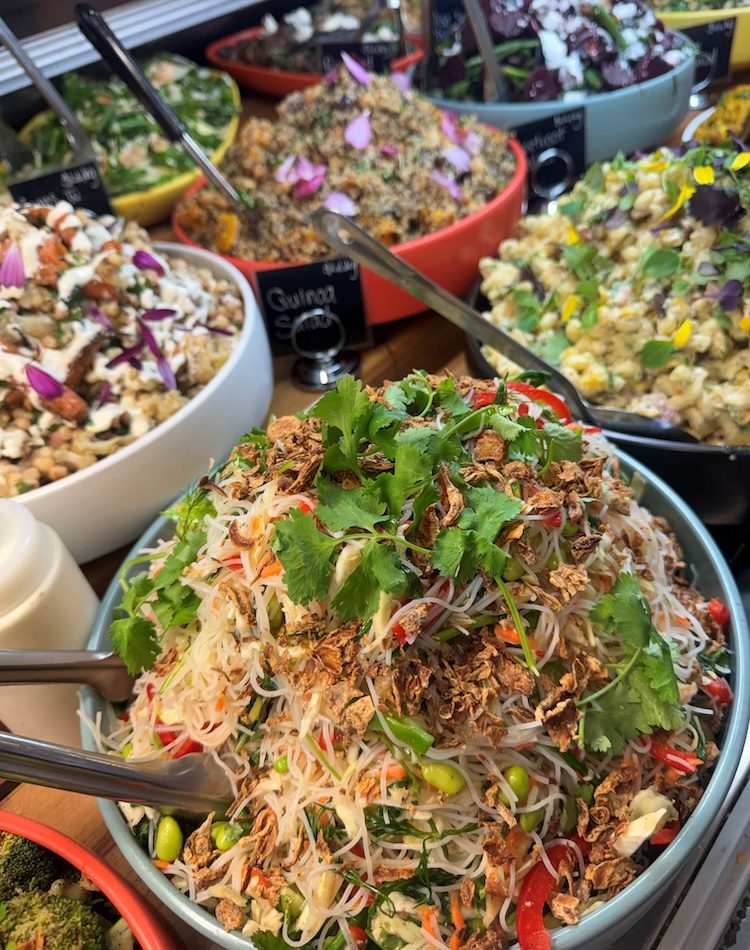
Today, Alps & Amici employs around 35 people locally. Each week, chefs prepare hundreds of kilograms of salads and ready-made meals, from chocolate pudding and tiramisu to lasagne, butter chicken and fresh deli salads. Loyal customers return several times a week, many of them the same families Daniel and Sally have watched grow up over 15 years.
“The attractive thing about our product is people are so time poor,” Daniel says. “Our customers are looking for healthy options. It’s like they’ve cooked it themselves, but they haven’t.”
Banking on the long game
Daniel and Sally have banked with NAB since 2001, and the relationship has tracked every chapter of their business life: from funding early share purchases in Alps & Amici, to supporting the 2016 building acquisition, to now helping them navigate buying out their partners and purchasing the property outright.
“Our first interaction with NAB was just a good feeling,” Sally says. “We were green. We were young.” What stood out, Daniel recalls, was that the bank wanted to understand their vision, not just their security.
“We wouldn’t even consider going anywhere else now,” Sally says. “We’ve told our story, they know who we are, that relationship has been built over a really long time.”
Getting the formula right
For newer business owners, Daniel’s advice is direct: know your margins, know your market, and give it time. Success in food rarely happens quickly, and the businesses that survive are the ones willing to keep asking hard questions about what is and isn’t working.
“You might want to make that dish because that’s what you want to do, but if you can’t sell it for the right price, you have to walk away from that dream,” he says. “Find a product that is going to work for you.”
For Daniel, the willingness to reinvent is not a compromise on passion, it’s what makes sustaining it possible.
“As a sole trader in this industry you’ve actually got to the opportunity to create your own perfect job – a pretty amazing thing if you manage to get the formula right!” he says.

Made on the Sunshine Coast: manufacturing’s Queensland powerhouse
ARTICLE
It may be best known for its popular holiday destinations, but the Sunshine Coast of Queensland is also a thriving manufacturing hub that makes a real contribution to the local economy.